


Olive Seed Company
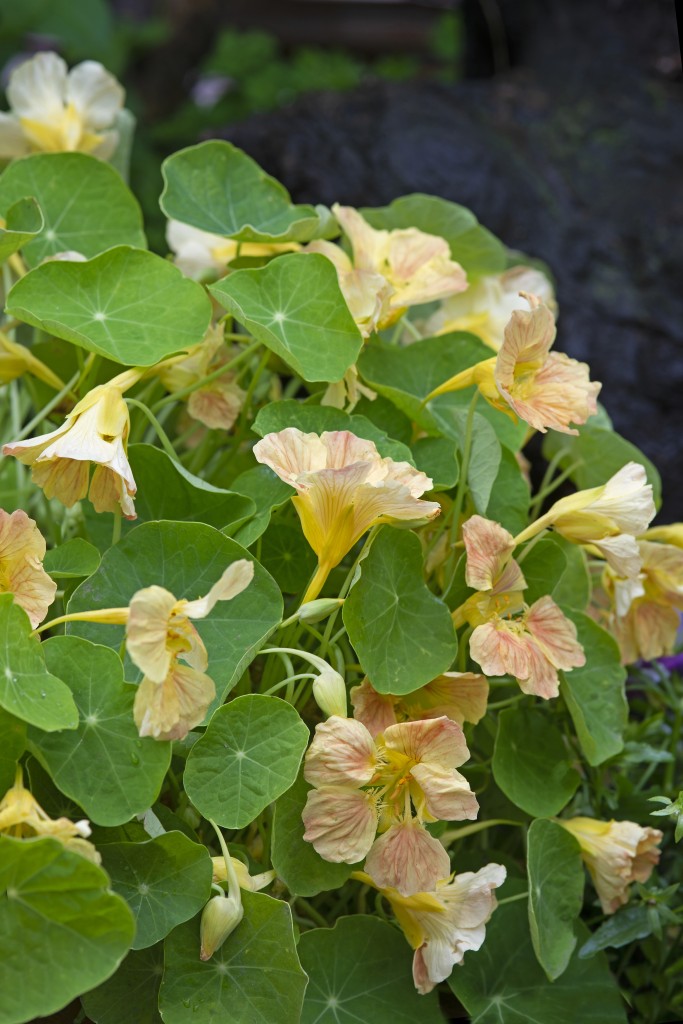
Nasturtium 'Pink Blush'
Nasturtium 'Pink Blush'
Couldn't load pickup availability
Pink Blush Nasturtium (Tropaeolum minus)
A graceful twist on a classic garden favourite, Pink Blush Nasturtium bears soft, creamy petals kissed with delicate rose-pink tones and a subtle yellow throat. This edible annual offers both beauty and flavour—its blossoms, leaves, and seeds are all edible, bringing a peppery zing to salads, garnishes, and savoury dishes.
Trailing or mounding in habit, it’s equally at home spilling from containers, weaving through borders, or covering bare soil as a living mulch. Thrives in poorer soils, where blooms are most abundant, and is loved by pollinators for its nectar-rich flowers.
Easy to grow, low-maintenance, and endlessly charming, Pink Blush Nasturtium adds both romance and utility to the garden.
DETAILS:
QTY: 50
TYPE: Annual
SITE: Full Sun/Part Shade
DEPTH: 1/2-1"
GERMINATION: 7 - 14 days at 16 - 18°C
HEIGHT: 16" - 20” Varies. Trellising is useful for climbing/trailing varieties as they will need support to climb.
MATURITY: 55 - 65 Days
SPACING: Thin to 3-5 plants in hanging baskets or 10" containers.
PINCH: No
HOW TO GROW:
Direct Sow (recommended): Nasturtiums are best grown from seed sown directly into the garden. Sow seeds ½"–1" deep outdoors after the danger of frost has passed and the soil has warmed. Nasturtiums germinate best in darkness, so be sure to cover the seeds well.
Transplant (alternative): While direct sowing is preferred, nasturtiums can be started indoors 3–4 weeks before planting out. Sow into individual pots or cells, covering seeds completely. Keep soil temperatures around – (–). Handle seedlings carefully, as their roots are sensitive to disturbance. Harden off and transplant after the last frost.
Pinching: Pinching is not required, as nasturtiums naturally form a mounding or trailing habit depending on the variety. Deadheading spent blooms can help encourage continued flowering throughout the season.
Soil Preference and Watering: Nasturtiums prefer full sun and average to slightly poor, well-drained soil. They are not heavy feeders; too much fertility can lead to lush foliage at the expense of blooms. Water consistently, but avoid overwatering once established.
Fertilizing: Fertilizing is not required for nasturtiums.
Harvesting: All parts of the nasturtium plant are edible—from the leaves and flowers to the seeds. The leaves and flowers have a peppery taste and can be harvested as needed for fresh use in salads or as a garnish.
Shipping & Returns
Shipping & Returns


-
Free Shipping
Free Shipping on all orders in Canada over $125.00